



Clean and safe drinking water is the foundation of household health worldwide. With deteriorating tap water quality, rising TDS levels, residual chlorine, heavy metal contamination, and emerging trace pollutants in many regions, ordinary filtration methods can no longer meet daily drinking standards. This is why an RO water purifier has become the most trusted and effective water treatment solution for modern homes, apartments, and small commercial spaces.
Reverse Osmosis (RO) purification technology is recognized as one of the most reliable water filtration technologies globally. Unlike simple carbon or sediment filtration, a professional RO water purifier removes nearly all types of harmful contaminants from tap water, delivering pure, fresh, and healthy drinking water for your entire family. In this complete guide, we will explain how RO water purifiers work, their core benefits, key features to look for, and why they remain the top choice for global households in 2026.
What Is an RO Water Purifier & How Does It Work?
An RO water purifier is a precision water filtration system that uses a semi-permeable RO membrane as its core filtration technology. Under proper water pressure, tap water passes through multi-stage filter cartridges and the ultra-fine RO membrane, which only allows pure water molecules to pass through while blocking harmful impurities.
A standard high-performance RO purification system follows a scientific multi-stage filtration workflow to ensure layered purification and stable water quality:
1. Pre-filtration stage: PP sediment filters intercept large particles such as sand, rust, silt, and suspended solids, protecting the follow-up RO membrane from clogging and extending the service life of the whole machine.
2. Activated carbon filtration stage: High-quality coconut shell carbon effectively absorbs residual chlorine, peculiar odors, organic impurities, and heterochromatic substances in tap water, improving water taste and avoiding unpleasant drinking smells.
3. Core RO membrane filtration stage: The 0.0001-micron ultra-fine membrane pore size efficiently filters out heavy metals (lead, mercury, arsenic), bacteria, viruses, fluoride, nitrates, and tiny dissolved solids that cannot be removed by ordinary filters, reducing TDS to a safe drinking range.
4. Post-carbon improvement stage: Further optimizes water flavor, making purified water crisp, sweet, and suitable for direct drinking, cooking, and beverage brewing.

Key Benefits of Using an RO Water Purifier for Home Use
More and more global families choose an RO water purifier instead of bottled water or simple faucet filters, mainly because of its irreplaceable practical advantages for household health and daily use.
1. Full-range contaminant removal for maximum safety
Ordinary filters can only improve water taste but cannot remove dissolved harmful substances. In contrast, a qualified RO water purifier achieves deep purification, eliminating over 99% of common water pollutants, including heavy metals, bacteria, viruses, residual chlorine, chemical residues, and trace contaminants like PFOA and PFOS. It provides long-term safe drinking water protection for children, the elderly, and pregnant families.
2. Adapts to all types of tap water quality
Whether you face high-TDS hard water, chlorine-rich municipal tap water, or well water with excessive impurities, an RO water purifier can stably adjust water quality to a standard safe drinking level. It perfectly solves common water problems such as bitter taste, scale precipitation, and peculiar smell, adapting to complex water environments in different regions.
3. Cost-effective and eco-friendly long-term solution
Compared with long-term purchases of bottled water, an RO water purifier greatly reduces daily water costs. Meanwhile, it reduces plastic bottle waste, bringing lower environmental pressure. Modern home RO systems also optimize the water-waste ratio, balancing purification efficiency and water-saving performance.
4. Improves daily life quality comprehensively
Pure RO water is not only safer to drink directly but also makes cooking rice softer, soup fresher, and tea and coffee taste purer. It also avoids scale accumulation in water heaters, kettles, and coffee machines, extending the service life of household electrical appliances.
Core Features of a High-Quality RO Water Purifier
Not all RO water purifiers deliver the same performance. When selecting a reliable home RO water purifier, focus on the following core professional configurations to avoid inferior products with unstable purification effects.
1. Premium filter material & stable filtration performance
Top-tier RO water purifiers adopt high-precision RO membranes and imported coconut shell carbon blocks, featuring larger specific surface area and richer micropores. This structure ensures stronger adsorption capacity and more thorough impurity interception, avoiding secondary pollution and ineffective filtration caused by low-quality filter materials.
2. Food-grade & BPA-free materials
Formal qualified RO purification systems use full food-grade, BPA-free housing and pipeline materials, complying with international NSF safety standards. No harmful substances precipitate during water output, ensuring every drop of drinking water is healthy and pollution-free.
3. User-friendly installation & maintenance
Modern household RO water purifiers support tool-free quick installation and filter replacement, saving maintenance time and labor costs. Equipped with filter life reminder functions, users can replace cartridges in time to maintain continuous optimal purification performance.
4. Certified & standardized purification
Reliable RO water purifiers pass authoritative certifications such as NSF 42, NSF 53, and NSF 372. Professional third-party lab tests verify their capabilities of removing heavy metals, organic pollutants, and peculiar odors, with standardized and credible purification data.
Common Misconceptions About RO Water Purifiers
Myth 1: RO water removes all minerals and is unhealthy
Fact: The trace minerals in tap water are extremely low and cannot meet human daily nutritional needs. On the contrary, harmful impurities such as heavy metals and chemical residues in unpurified water pose greater health risks. High-quality RO water purifiers provide safe water sources, and daily mineral supplementation mainly relies on diet, not tap water.
Myth 2: Ordinary filters can replace RO water purifiers
Fact: Simple filtration products only filter large particles and improve water taste, unable to remove dissolved heavy metals, bacteria, and tiny chemical pollutants. Only RO membrane deep filtration can achieve real direct drinking safety standards.
How to Maintain Your RO Water Purifier for Long-Term Use
To keep your RO water purifier running stably and maintain long-term pure water quality, daily standardized maintenance is essential:
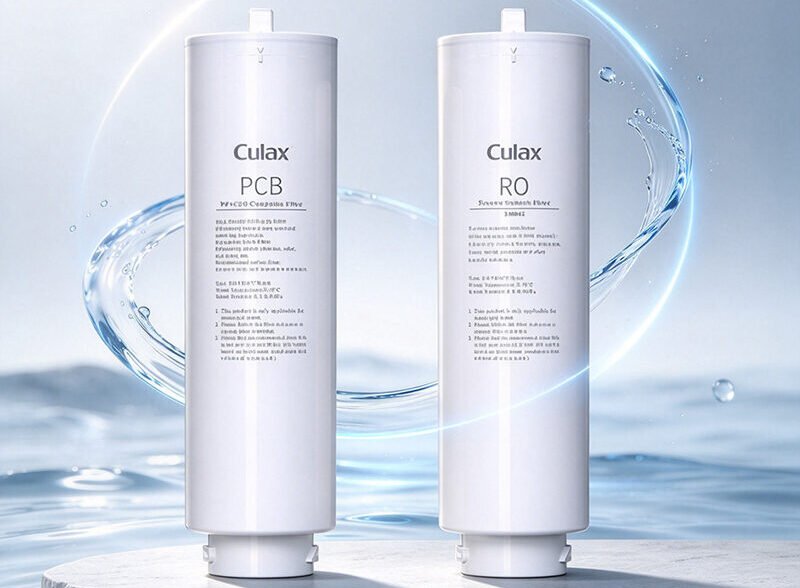
1. Replace filter cartridges regularly according to the recommended cycle (usually 6–12 months for pre/post filters, 2–3 years for RO membrane), avoiding filter failure and secondary pollution caused by expired cartridges.
2. Flush the system regularly after long-term shutdown to discharge stagnant water and ensure fresh water output.
3. Keep the equipment environment dry and clean to prevent dust and moisture from affecting internal components.
Final Thoughts
An RO water purifier is no longer an optional household appliance but a necessary health protection tool for modern families. With its deep purification capability, wide water quality adaptability, safe material configuration, and cost-saving advantages, it solves various tap water safety problems and provides stable pure drinking water for daily drinking, cooking, and household use.
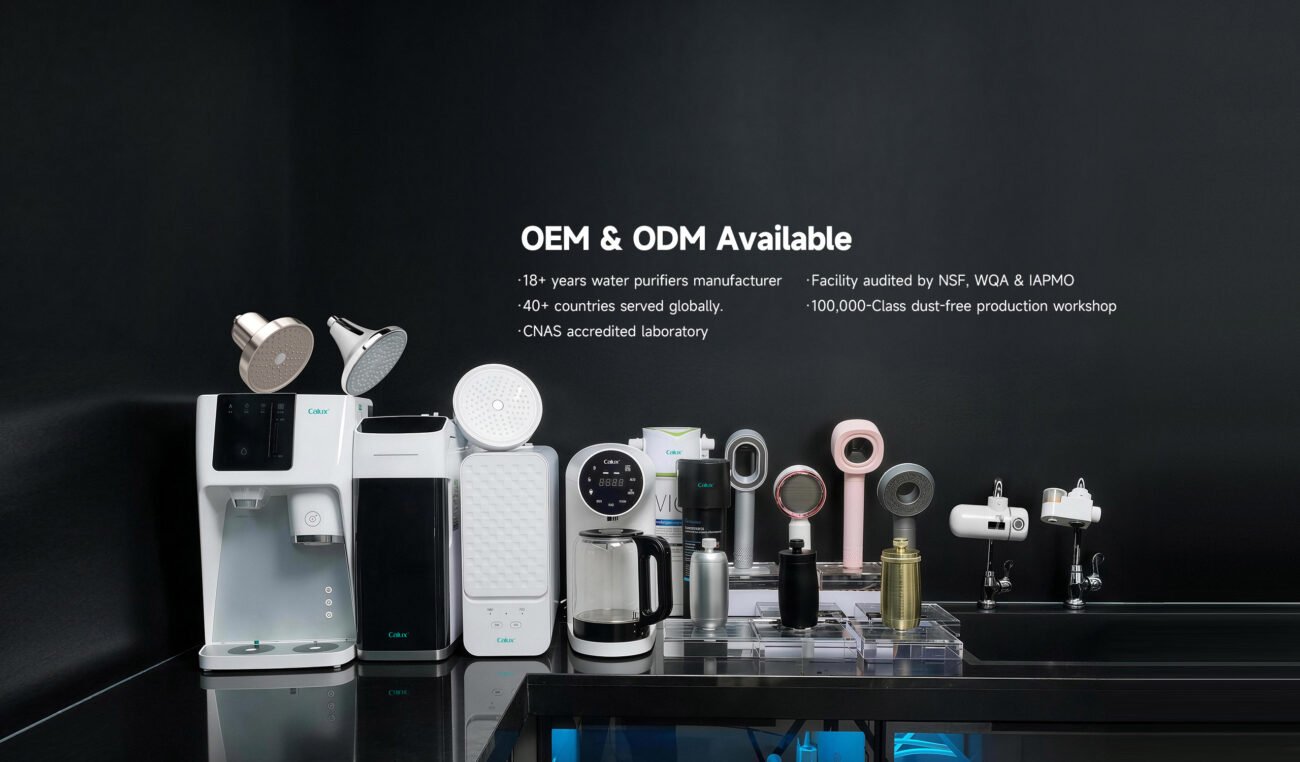
If you are looking for a high-quality, stable-performance RO water purifier solution for your home or project, our professional OEM & ODM RO water purification products deliver authoritative certification, reliable filtration performance, and customized service support to meet global household and commercial water purification needs.





 Deutschland
 United Kingdom