



Every day, you spend several minutes under the shower. Most people focus on body wash, shampoo and skincare routines, yet overlook one critical factor: the quality of your shower water.
Municipal tap water contains chlorine used for disinfection, sediment, trace heavy metals and mineral residues. Hot shower water vaporizes chlorine‑related by‑products, which you absorb through skin and inhalation while bathing. Over time, these contaminants can strip your skin’s natural protective oils, trigger scalp irritation, leave hair dull, brittle and color‑treated hair fading fast.
A shower filter is a simple, affordable home upgrade to tackle these issues. This practical guide breaks down exactly what shower filters do, real‑world benefits, key buying criteria and realistic limitations to help you make informed purchasing decisions.
What Exactly Does a Shower Filter Do?
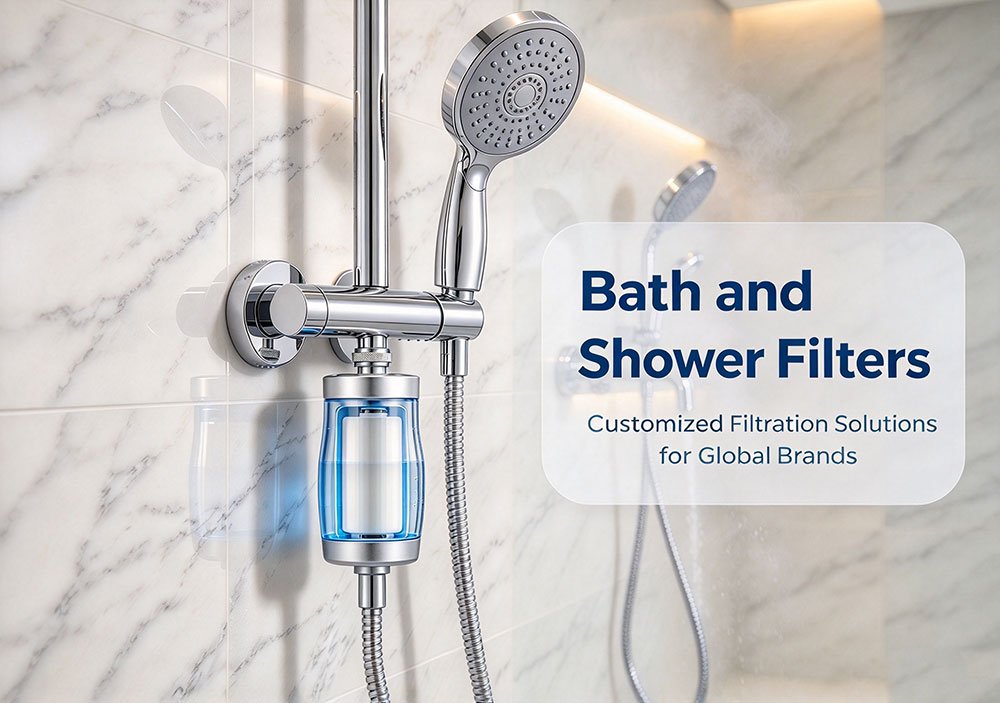
A shower filter installs between your shower arm and showerhead, filtering tap water right before it touches your body. Most multi‑stage shower filters combine KDF media, activated carbon, calcium sulfite or vitamin‑C‑based materials to reduce chlorine, unpleasant odors, sediment and certain heavy metals. Important note: Most standard shower filters cannot soften hard water by removing calcium and magnesium ions. If you suffer from severe limescale caused by hard water, a whole‑house water softener will be required instead.
Key Benefits of Using a Shower Filter
1. Healthier, Less Irritated Skin
Chlorine strips away your skin’s natural lipid barrier, leading to tightness, dryness and itchiness after showering. People with sensitive skin, eczema or psoriasis often notice reduced skin irritation after switching to filtered shower water. Your moisturizer will work better when your skin barrier is no longer constantly attacked by chlorine residues.
2. Softer, Shinier Hair
Chlorine and metallic impurities damage hair cuticles, resulting in frizzy, straw‑like hair and accelerated color fading for dyed hair. Filtered water reduces oxidative damage, helping hair stay smooth and preserving hair‑color vibrancy. It also relieves itchy, flaky scalp for many users.
3. Reduce Unpleasant Water Smell & Sediment
It removes chlorine‑like chemical odors from tap water and traps rust, sand and fine sediment coming from old pipelines, delivering cleaner‑feeling shower water for your whole family.
4. Simple DIY Installation & Family‑Friendly
Most inline shower filters fit standard ½‑inch shower connections. No plumber or special tools are required. They work great for adults, kids and babies, whose thin skin is more susceptible to water‑borne irritants.
Common Shower Filter Types
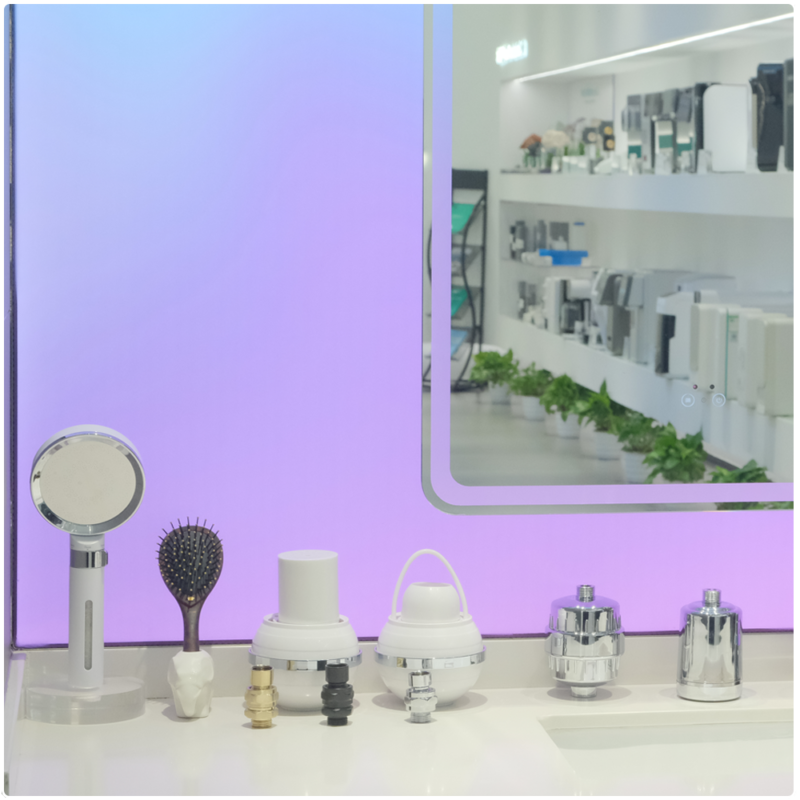
1. Inline Shower Filter (Most Popular)
Screws between your existing shower arm and showerhead. You keep your favorite showerhead. Easy cartridge replacement. Adds minor length to your shower pipe.
2. All‑in‑One Filtered Showerhead
Filter media is built inside the showerhead unit. Compact structure, but filter capacity is usually smaller, and spray patterns are fixed.
3. Vitamin‑C Shower Filter
Excellent for neutralizing both chlorine and chloramine. Ideal for households whose water supply uses chloramine for disinfection. Typical service life is shorter than KDF‑carbon composite filters.
How To Pick The Right Shower Filter: Practical Buying Checklist
Check your local water supply: Confirm whether your municipal water uses chlorine or chloramine. If chloramine is present, select a filter explicitly rated for chloramine reduction.
Prioritize real‑world certifications: NSF/ANSI 177 is the dedicated standard for shower filter chlorine reduction. Third‑party lab test reports are more trustworthy than exaggerated marketing slogans.
Check filter‑service‑life & replacement‑cartridge cost: Check rated gallons or months of service. Calculate long‑term running cost instead of only focusing on the upfront price. Expensive filters with over‑priced replacement cartridges can become a financial burden.
Water‑pressure performance: Choose well‑engineered multi‑stage models with minimal pressure drop. Poor‑quality filters will drastically weaken shower flow.
Universal‑compatibility: Confirm ½‑inch standard thread to fit most shower fixtures. For low‑pressure households, pay extra attention to flow‑rate specifications.
Avoid over‑hyped marketing claims: Be cautious of products promising hair‑loss cure, permanent skin‑rejuvenation or medical‑treatment effects, which are mostly marketing exaggeration.
Quick Installation Tips
1. Twist off your existing showerhead counter‑clockwise.
2. Clean old thread residue. Apply Teflon plumber tape if needed.
3. Screw the shower filter onto the shower arm by hand (do not over‑tighten).
4. Re‑attach your showerhead onto the filter outlet.
5. Turn on water and inspect for leaks. Run water for 2‑3 minutes to flush fine carbon particles before first‑time use; temporary cloudy water is normal at this stage.
Frequently Asked Questions
Q: Will a shower filter solve hard‑water limescale?
A: No. Shower filters remove chlorine, odors and partial heavy metals, but almost all cannot remove calcium and magnesium that cause hard‑water limescale. For hard‑water issues, look at water‑softener solutions.
Q: How often should I replace shower‑filter cartridges?
A: Normally every 3‑6 months, or according to rated‑gallon capacity. If you notice bad smell, weaker water flow or obvious skin‑hair discomfort, replace the cartridge immediately, even before the suggested cycle. An expired filter loses filtration performance completely.
Q: Can shower filters stop hair loss?
A: Chlorine‑related hair‑shaft breakage can be reduced, but shower filters cannot treat medical‑level hair loss. Seek professional medical advice if you suffer serious hair‑loss problems.
Q: Are shower filters difficult to install for renters?
A: Absolutely renter‑friendly. Tool‑free screwing‑in installation leaves no permanent damage. You can take the filter with you when you move houses.
Final Thoughts
You invest heavily in skincare and hair‑care products, so it makes sense to pay attention to the water touching your skin every single day. A high‑quality shower filter is a low‑cost home improvement that delivers tangible comfort for sensitive skin and dull hair.
Set realistic expectations: it is not magic, but it will effectively reduce chlorine‑related irritation for most households. Match your filter selection to your local water quality, stick to cartridge‑replacement schedules, and you will enjoy cleaner, more comfortable shower experiences day after day.



 Deutschland
 United Kingdom