



Technology & Product Trends in Water Purification: Insights for OEM/ODM Partners
The following assessments are based on recent policy developments, engineering projects, and market dynamics. They reflect broader industry trends and do not imply that any new technological breakthroughs have occurred today.
Trend 1: From Basic Filtration Capabilities to Verifiable Water Quality Performance
Traditionally, competition in the water purification market has largely focused on filtration precision, water flow rate, and the number of filter cartridges used.
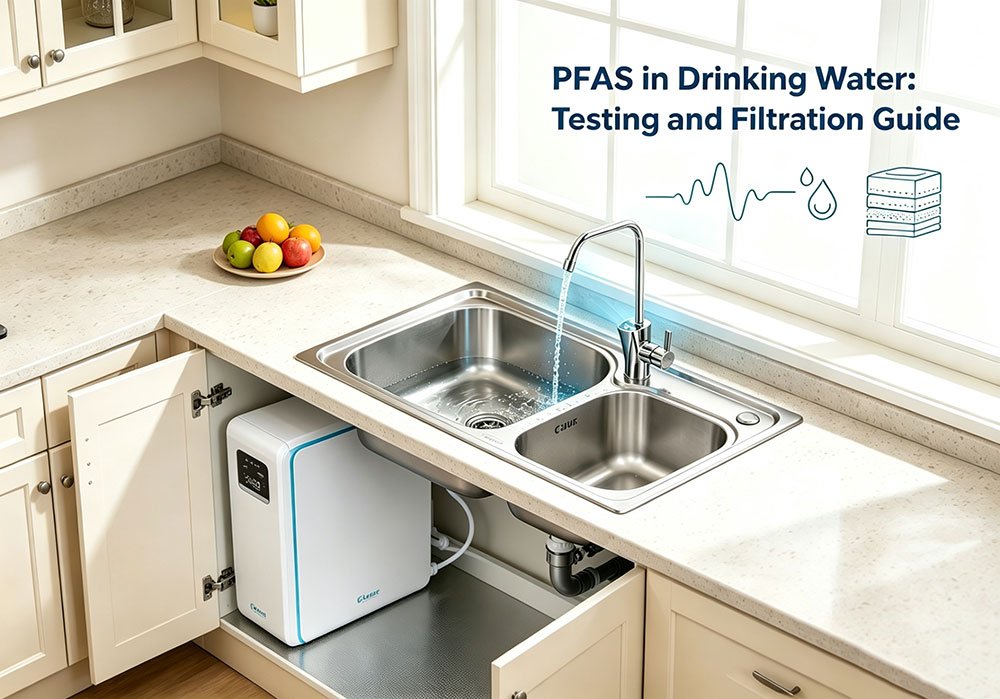
As attention grows on specific contaminants such as PFAS, future product evaluations will likely emphasize contaminant-specific removal efficiency, supporting test data, and filter cartridge service life.
Recommendation: Establish a testing framework that targets specific contaminants and ensure product claims are supported by reproducible test results.
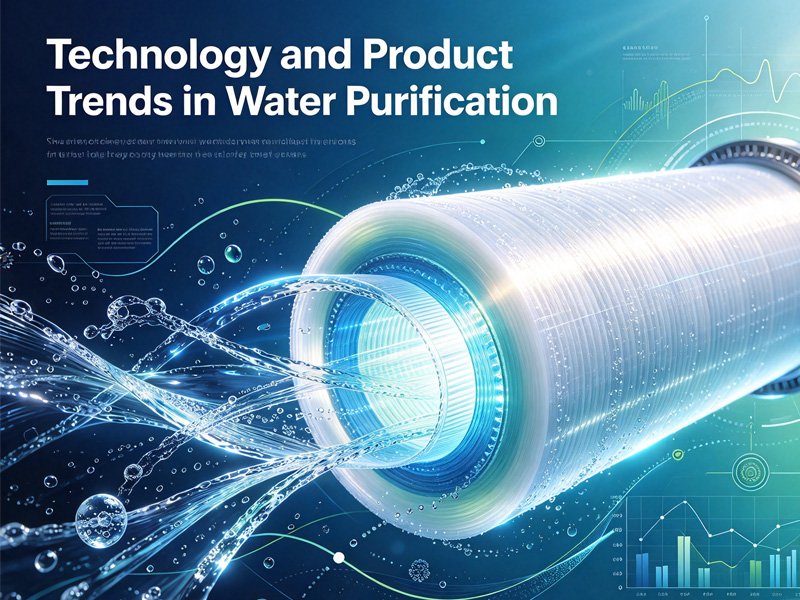
DuPont Reverse Osmosis Membrane
Trend 2: Reverse Osmosis (RO) Remains a Key Technology, but Water Efficiency and Energy Consumption Matter
Dubai’s continued expansion of seawater reverse osmosis (SWRO) capacity highlights the ongoing importance of RO technology in large-scale water treatment projects.
However, large-scale seawater desalination systems operate under significantly different conditions from residential water purifiers. Performance data from industrial-scale projects should therefore not be directly extrapolated to household products.
For residential RO systems, the following parameters deserve particular attention:
– Purified water flow rate and user experience: Evaluate actual water delivery performance under typical household operating conditions.
– Water recovery rate and wastewater ratio: Assess water efficiency and the volume of reject water generated during operation.
– Membrane service life and replacement costs: Consider long-term operating costs, including membrane replacement frequency and expenses.
– Energy consumption, noise levels, and operational stability: Evaluate overall performance under normal household usage conditions.
– Impact of feed water quality variations on system performance: Assess how changes in incoming water quality affect treatment efficiency and system reliability.
Trend 3: Smart Monitoring and Lifecycle Services Are Emerging Areas of Opportunity
In European, North American, and Middle Eastern markets, competition may extend well beyond the sale of hardware.
Filter life management, water quality monitoring, fault alerts, after-sales support, and long-term maintenance could all become important avenues for differentiation.
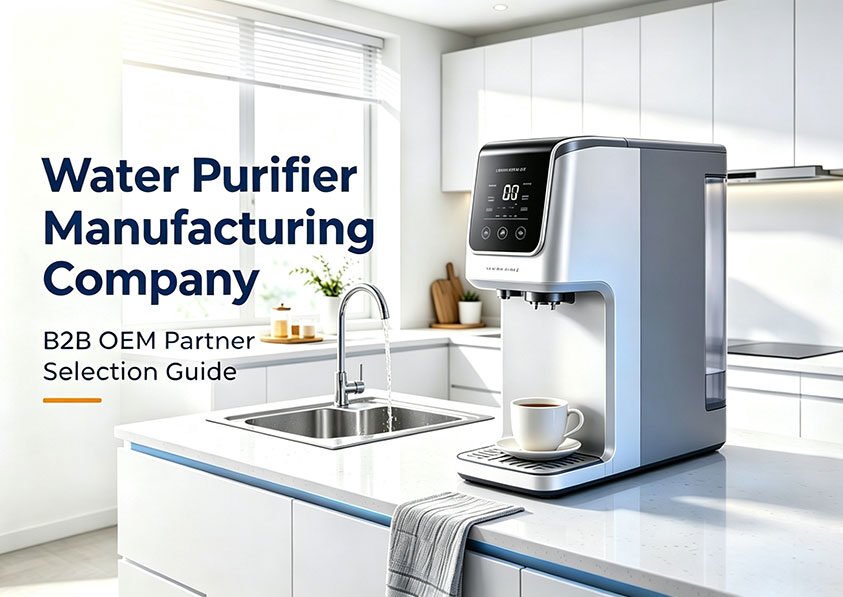
For Chinese water purifier OEM/ODM manufacturers, a promising approach is to integrate hardware, consumables supply, monitoring capabilities, and after-sales support into a comprehensive solution for business partners.






 Deutschland
 United Kingdom