



WETEX 2026: Key Highlights and Emerging Water Technologies Shaping the Future of Water Treatment
WETEX 2026 | Dubai, UAE | October 20–22, 2026
The 28th edition of the Water, Energy, Technology and Environment Exhibition (WETEX 2026) is taking place at the Dubai World Trade Centre from October 20 to 22, bringing together companies, utilities, investors, technology providers, and industry experts from around the world.
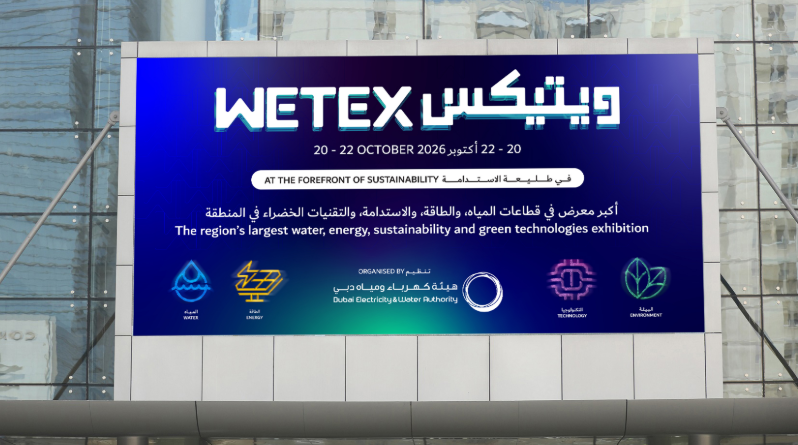
Organised by the Dubai Electricity and Water Authority (DEWA), WETEX is a major regional platform for water treatment, desalination, renewable energy, environmental sustainability, and digital transformation. According to DEWA’s official announcement, this year’s exhibition features approximately 3,000 companies from 60 countries, 13 international pavilions, and 119 specialised seminars and panel discussions. [Official source: DEWA](https://dewa.gov.ae/en/about-us/media-publications/latest-news/2026/10/hh-sheikh-ahmed-bin-saeed-al-maktoum)
For the water industry, WETEX 2026 highlights a broader shift in priorities. The challenge is no longer simply producing more freshwater. It is about improving water recovery, reducing energy consumption, reusing wastewater, minimising losses, and managing water infrastructure more intelligently.
This article explores the exhibition’s major highlights, emerging water treatment technologies, and potential implications for the global water industry, including residential water purification manufacturers and suppliers.
1. WETEX 2026: Connecting Water Technology with Global Investment
WETEX covers a broad range of technologies and applications, from large-scale water production and industrial wastewater treatment to smart infrastructure, clean energy, and sustainable urban development.
Key areas of focus include:
– Seawater desalination and reverse osmosis (RO)
– Advanced membranes and water recovery technologies
– Wastewater treatment and water reuse
– Smart water networks, leak detection, and digital monitoring
– Artificial intelligence (AI) and infrastructure optimisation
– Renewable energy integration and decarbonisation
– Resource recovery and sustainable industrial water management
The exhibition also hosts the World Green Economy Summit (WGES) on October 21–22, under the theme “From Success to Scale: Showcasing the Green Economy.” The concurrent events connect technical innovation with investment, infrastructure development, and international cooperation.
Why it matters: Water technology is increasingly evaluated not only by treatment performance, but also by operating costs, energy requirements, resource efficiency, and long-term reliability. These considerations are becoming central to project developers, utilities, industrial users, and equipment suppliers alike.
2. Reverse Osmosis and Seawater Desalination: Efficiency Takes Centre Stage
One of the most important themes at WETEX 2026 is the continued development of reverse osmosis for seawater desalination.
Traditional desalination methods can require substantial amounts of energy. Improvements in membrane performance, high-efficiency pumps, system design, and integration with cleaner energy sources are helping advance more efficient desalination solutions.
The Hassyan Seawater RO Project
A major example is DEWA’s Hassyan Seawater Reverse Osmosis Desalination Plant in Dubai.
According to DEWA, the project has a planned production capacity of 180 million imperial gallons per day (MIGD), making it one of the world’s largest seawater RO desalination projects. DEWA has also stated its ambition to produce all its desalinated water using a combination of clean energy and waste heat by 2030.
[Read DEWA’s official overview of water security and desalination technologies](https://dewa.gov.ae/en/about-us/media-publications/latest-news/2026/10/wetex-2026-explores-innovative-solutions)
The wider technological direction is clear: improve water output while controlling energy consumption and operating costs.
What This Means for RO Technology
Several areas deserve close attention:
– Higher-performance membranes: Improving salt rejection, permeability, and operational stability.
– Energy-efficient pumps: Reducing the energy required to maintain operating pressure.
– Improved system design: Optimising pretreatment, membrane staging, and operating conditions.
– Clean energy integration: Reducing the carbon intensity of water production.
– Performance monitoring: Identifying operating problems earlier and improving maintenance planning.
Although seawater RO and household RO systems operate under very different conditions, both face the challenge of balancing water quality, energy use, reliability, and operating costs.
For residential water purifier manufacturers, the relevant lesson is not to copy industrial desalination designs. It is to apply the same performance-oriented thinking to household systems, including water recovery, membrane life, flow rate, wastewater generation, and total ownership cost.
3. Advanced RO, Brine Management, and Water Recovery
Another important development is the growing emphasis on recovering more usable water from treatment processes.
Conventional desalination produces freshwater alongside a concentrated brine stream. Managing this brine is a major technical and environmental consideration, particularly where water scarcity and discharge requirements create additional pressure.
WETEX 2026’s technical programme includes sessions on enhancing seawater recovery and optimising brine discharge, as well as advanced water technologies for reuse and resource recovery.
Counterflow Reverse Osmosis and Industrial Water Recovery
At a WETEX water seminar, Gradiant presented its Counterflow Reverse Osmosis (CFRO) technology as an approach to concentrating brine while recovering additional usable water. The seminar report cited a desalination project in Jeddah that achieved 50% additional freshwater recovery from previously discharged brine.
This is a reported project result presented during the exhibition, rather than an independently established performance benchmark for all desalination systems. Actual results depend on feedwater characteristics, system configuration, and operating conditions.
The exhibition’s technical programme also features advanced membrane approaches for minimum and zero liquid discharge (MLD/ZLD). A programme description from Thermax discusses a customised membrane solution targeting salt concentrations of up to 24% total dissolved solids (TDS), water recovery of up to 70%, and energy reductions of up to 40% relative to the configurations considered in its presentation.
These figures are technology-specific claims presented in the event programme, not universal performance guarantees.
[Explore the official WETEX session: Advanced Water Technologies — From Reuse to Resource Recovery](https://www.wetex.ae/en/seminars/2026/22-oct-2026/advanced-water-technilogies-from-reuse-to-resource-recovery)
Why Brine Management Matters
The development of more effective brine management technologies may help industrial users:
– Recover more usable water from existing treatment processes.
– Reduce wastewater volumes and discharge burdens.
– Improve water security in water-intensive industries.
– Recover selected resources from concentrated waste streams.
For water technology suppliers, this creates opportunities in advanced membranes, pretreatment, high-pressure equipment, monitoring systems, and integrated water recovery solutions.
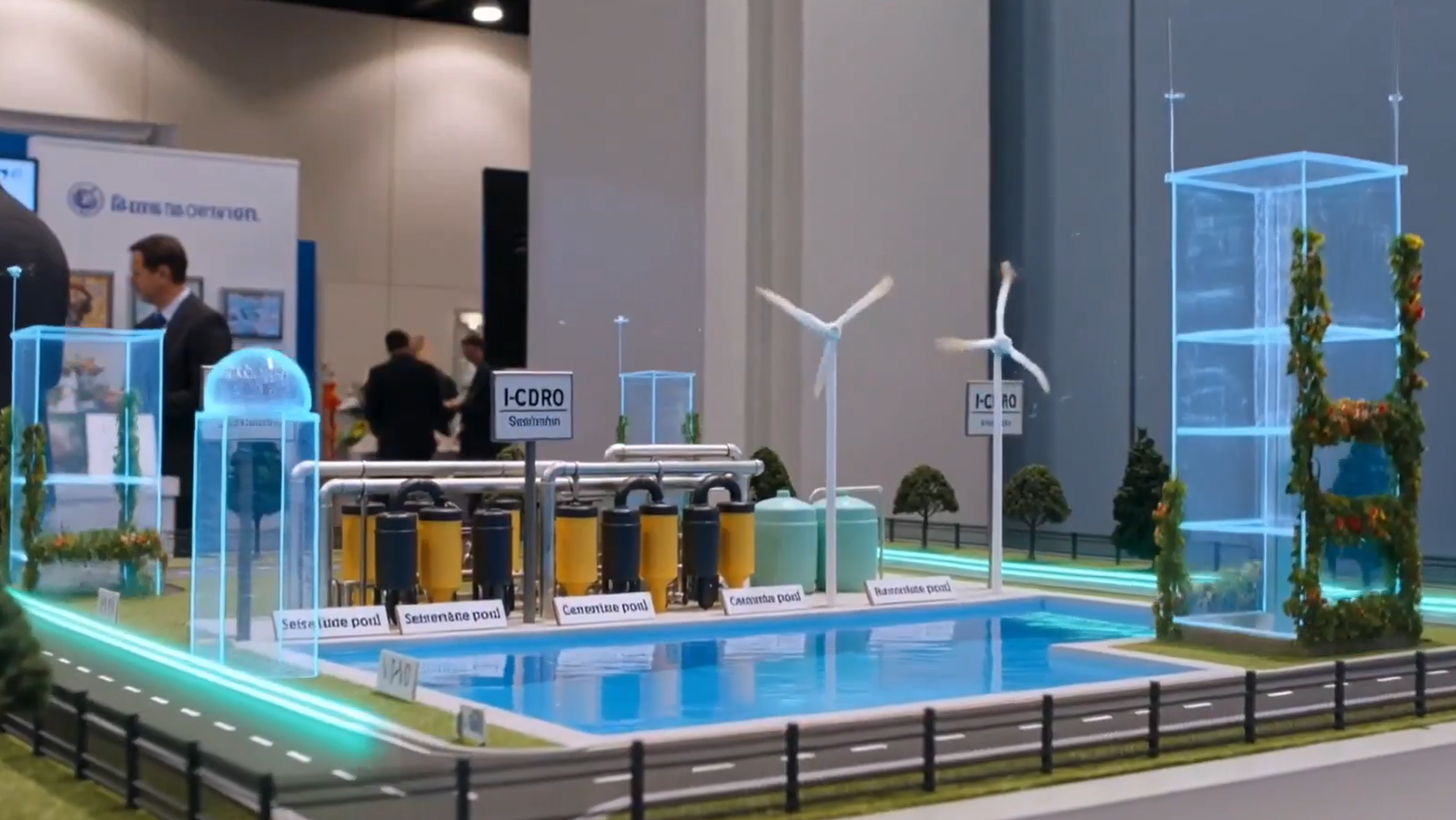
WETEX 2026
4. Wastewater Reuse: Turning Waste Streams into Water Resources
WETEX 2026 also places strong emphasis on wastewater treatment and reuse.
As freshwater resources face increasing pressure, wastewater is increasingly being considered a potential source of usable water rather than simply a stream requiring disposal.
Depending on its source and intended application, treated wastewater may be reused in industrial processes, irrigation, cooling, and other non-potable applications. More demanding applications require appropriate treatment, monitoring, and regulatory compliance.
DEWA’s exhibition coverage highlights the role of water reuse in strengthening water security and reducing pressure on conventional freshwater sources.
The World Bank has also identified water reuse as an area with significant potential for global expansion. In its WETEX 2026 coverage, DEWA cites an estimate that municipal and industrial water reuse could increase eightfold by 2040, reaching 430 million cubic metres per day.
[Source: DEWA’s WETEX 2026 water technology overview](https://dewa.gov.ae/en/about-us/media-publications/latest-news/2026/10/wetex-2026-explores-innovative-solutions)
The Rise of Circular Water Management
The wider trend is moving from a linear model of water use towards a circular approach:
1. Treat water for its intended application.
2. Use it efficiently within industrial or municipal systems.
3. Recover and treat wastewater.
4. Reuse suitable water streams.
5. Minimise residual waste and improve resource recovery where technically and economically feasible.
For industrial users, this approach can reduce dependence on freshwater supplies and improve operational resilience.
For household water treatment, the implications are different but still relevant. Water efficiency, filter performance, responsible wastewater management, and transparent product claims are all important considerations when evaluating residential purification technologies.
5. AI and Smart Water Networks: From Reactive Maintenance to Predictive Management
Digital transformation is another major theme at WETEX 2026.
Water infrastructure operators increasingly rely on sensors, smart meters, hydraulic models, remote monitoring, and digital control systems to improve network performance and identify problems more quickly.
DEWA’s Use of AI in Water Network Management
DEWA has highlighted its Hydro Insight system as an example of using AI to turn operational data into actionable insights.
According to DEWA, its technologies and systems reduced water transmission and distribution losses from 42.5% in 1989 to 4.4% in 2025. This historical comparison illustrates the potential value of sustained investment in network management and operational improvement; it should not be interpreted as a result attributable to AI alone.
[Read the official DEWA report](https://dewa.gov.ae/en/about-us/media-publications/latest-news/2026/10/wetex-2026-explores-innovative-solutions)
Key Applications of Digital Water Technology
The main areas to watch include:
– Leak detection: Identifying abnormal flow patterns and potential losses.
– Predictive maintenance: Detecting performance changes before equipment failure
– Real-time monitoring: Tracking operating conditions across treatment and distribution systems.
– AI-assisted optimisation: Supporting operating decisions using historical and real-time data.
– Digital infrastructure management: Improving visibility across interconnected water assets.
These applications are particularly relevant to utilities and large treatment facilities, where small efficiency improvements can produce significant operational benefits.
For residential water purification manufacturers, the most practical applications may include filter-life indicators, leak detection, fault alerts, maintenance reminders, and improved after-sales diagnostics.
The commercial value of these features depends on whether they genuinely improve reliability, reduce maintenance costs, or enhance the customer experience.
6. Water Security Requires an Integrated Approach
A central message emerging from WETEX 2026 is that water security cannot be solved by a single technology.
Desalination can increase freshwater production, but energy efficiency and brine management remain important. Wastewater reuse can diversify supplies, but requires appropriate treatment and quality control. Digital systems can reduce losses, but depend on reliable data, effective implementation, and ongoing maintenance.
These technologies work best as part of an integrated water management strategy.
For water-stressed regions such as the Gulf, this means combining:
– Diversified water sources
– Efficient desalination
– Wastewater treatment and reuse
– Better infrastructure maintenance
– Smart monitoring and leakage reduction
– Renewable energy integration where technically and economically appropriate
The result is a broader definition of water technology: not simply producing clean water, but managing the entire water cycle more efficiently and reliably.
7. For Chinese Water Purification Manufacturers
For Chinese residential water purification manufacturers, WETEX offers a useful view of the wider water technology market. However, large-scale infrastructure trends should be translated carefully into household product and channel strategies.
7.1 Focus on Verifiable Filtration Performance
Consumers and distributors need clear evidence of what a water purifier can achieve.
Manufacturers should strengthen product testing and technical documentation for relevant performance indicators, including contaminant reduction, water output, filter lifespan, and operating conditions.
Claims concerning PFAS or other specific contaminants should be supported by appropriate testing under clearly stated conditions.
7.2 Make Water Efficiency a Product Differentiator
For household RO systems, product evaluation should go beyond rated capacity.
Important factors include water recovery, wastewater generation, actual output under specified conditions, membrane performance, noise, maintenance requirements, and replacement-filter costs.
The most commercially attractive product is not necessarily the one with the highest headline capacity. It is the one that meets local requirements reliably at a competitive total cost of ownership.
7.3 Build a Reliable Replacement-Filter Business
The long-term value of a residential water purifier extends beyond the initial equipment sale.
Manufacturers entering overseas markets should establish clear replacement schedules, consistent filter specifications, dependable supply, and competitive consumable pricing.
For distributors, reliable filter availability and accessible technical support can be as important as the initial purchase price.
7.4 Develop Local Partnerships in the UAE and Saudi Arabia
The Gulf market includes several distinct customer groups, from residential consumers and specialist water treatment dealers to contractors and industrial project developers.
Chinese manufacturers should identify which channel best fits each product category rather than adopting a single distribution model.
For household RO systems, specialist dealers, installers, importers, and selected retailers may be appropriate partners. Whole-house systems may require stronger technical support and closer cooperation with contractors.
WETEX can help businesses identify potential contacts across the wider water ecosystem, but actual partnership opportunities should be verified through direct discussions and commercial due diligence.
Conclusion: The Future of Water Technology Is About Efficiency, Recovery, and Reliability
WETEX 2026 highlights several important directions for the global water industry: more efficient reverse osmosis, advanced membrane technologies, greater wastewater reuse, improved brine management, and the integration of AI into water infrastructure.
Together, these developments reflect a shift from simply increasing water production towards improving the efficiency and resilience of the entire water cycle.
For residential water purification manufacturers, the opportunity lies in translating these broader principles into practical product advantages: verifiable filtration performance, efficient operation, reliable replacement filters, and strong local service networks.
As the UAE and Saudi Arabia continue investing in water security and treatment infrastructure, companies that combine sound engineering with credible performance data and dependable local partnerships will be better positioned to identify sustainable business opportunities.
The next stage of water technology will not be defined by filtration alone, but by how effectively we produce, recover, manage, and use water.



 Deutschland
 United Kingdom