



Clean, safe drinking water is now a top priority for households worldwide. This makes tap water purifiers one of the most stable, high-growth categories for B2B distributors, private label brands, and retail operators.
Consumers are increasingly worried about residual chlorine, heavy metals, and unpleasant odors in municipal tap water. Point-of-use tap water purifiers deliver simple, affordable purification right at the water outlet.
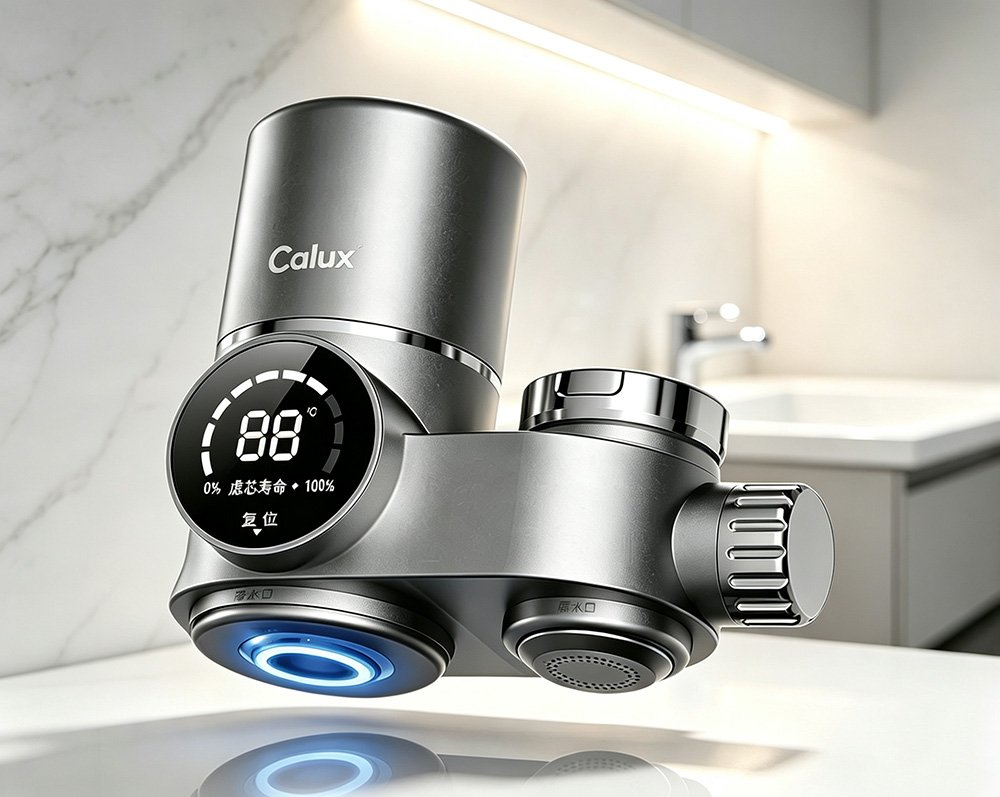
Unlike bulky under-sink RO systems or large countertop dispensers, tap water purifiers are compact and easy to install. They’re renter- and homeowner-friendly, creating broad market coverage across regions.
A Sustainable Business Model for B2B Buyers
For B2B buyers, choosing the right tap water purifier portfolio means more than adding a new item to your catalog. It opens a sustainable business model: one-time hardware sales paired with recurring filter replacement revenue.
> Once end users install tap water purifiers, they need replacement cartridges regularly. This repeat purchase cycle boosts customer lifetime value and stabilizes profit streams—instead of relying only on one-off sales.
Key Advantages of Tap Water Purifiers for Your B2B Business
Tap water purifiers stand out in the competitive home water treatment market. Here are three commercial strengths.
First, simple installation lowers consumer barriers. Most tap water purifiers connect directly to standard kitchen faucets. No drilling, no plumbing modification, no professional tools. End users can finish setup in minutes. This reduces after-sales service pressure for distributors and retailers—and cuts costs related to home visit installation and technical support.
Second, flexible product positioning fits diverse market segments. You can source basic models for budget retail markets. Or choose premium multi-stage versions with activated carbon, ion exchange resin, and NSF-certified filtration for high-end markets. Some upgraded models reduce heavy metals, sediment, chlorine, and micro-contaminants simultaneously. You can match different SKUs to local tap water conditions—whether targeting hard-water regions or areas with heavy chlorine residuals.
Third, compact packaging reduces logistics and storage costs. Tap water purifiers have a small footprint and lightweight structure. This helps you save warehouse space and lower sea freight and container costs during bulk shipment. This advantage is especially valuable for cross-border e-commerce sellers and regional distributors managing tight inventory budgets.
Critical Product & Compliance Factors B2B Buyers Should Evaluate
When sourcing tap water purifiers from manufacturers, B2B buyers must prioritize certification and material safety. End consumers and local regulators require food-grade raw materials for water-contact parts. Certifications such as NSF, WQA, or relevant drinking water safety standards become strong selling points for your brand. They also reduce market access risks.
You also need to check filter lifespan, flow rate, and contaminant reduction performance. A product with stable filtration efficiency and reasonable service life will greatly reduce customer complaints and product returns. Avoid generic low-quality units with short filter life and unstable purification results. These may damage your brand reputation and increase after-sales workload.
Regional water quality differences should shape your product selection. For markets with hard tap water, tap water purifiers with scale inhibition media will gain better customer feedback. For areas with serious chlorine and odor problems, activated carbon-focused models perform better. A reliable manufacturer can adjust filter media formula to match your target market’s water characteristics.
OEM & ODM Opportunities for Private Label
Tap water purifiers are ideal for private label and custom development. Professional manufacturers support full OEM and ODM services. These include custom logo, customized color box packaging, user manual translation, product color adjustment, and filter formula modification.
If you are building your own water filter brand, you can launch your private-label tap water purifier with low MOQ for trial orders. Then scale up mass production after testing market response. For brand owners who want differentiated products, ODM service covers structure optimization, new mold development, and function upgrades. This helps you stand out from generic competitors on Amazon, local retail stores, and offline channels.
A trusted supplier will also provide product test reports, certification documents, and marketing materials such as product images and specification sheets. These help you quickly build product listings and launch sales campaigns.
Market Outlook for Tap Water Purifier B2B Sales
The global demand for residential point-of-use water filtration keeps rising. Consumers are gradually shifting from bottled plastic water to reusable home tap water purification solutions. This shift is driven by health awareness and eco-friendly consumption trends.
Tap water purifiers fit this trend perfectly. They cut plastic waste and deliver purified drinking water at a much lower long-term cost than bottled water. For B2B partners, this trend creates opportunities across multiple sales channels. These include offline home appliance retailers, kitchenware stores, cross-border e-commerce, property developers, and rental apartment projects. You can bundle tap water purifiers with shower filters, under-sink filters, and replacement cartridges to form a complete home water treatment product portfolio. This increases average order value with your clients.
Conclusion
Tap water purifiers remain a resilient, high-demand home appliance for B2B distributors and private label brand owners. They offer easy installation, compact size, customizable options, and recurring filter revenue. This product category helps you expand your water treatment business with manageable risk.
Partner with a certified manufacturer to get reliable quality, custom OEM/ODM support, and full compliance documents. Then capture growing global demand for safe household drinking water.


 Deutschland
 United Kingdom